
Environment
The Antarctic ice shelf shattered, threatening to drown many cities
Antarctic ice shelves are shattered from within, threatening to spike sea level and submerge many coastal cities.
Browse ScienceInfo articles and explainers related to Melting Ice.
174 published items.
Antarctic ice shelves are shattered from within, threatening to spike sea level and submerge many coastal cities.
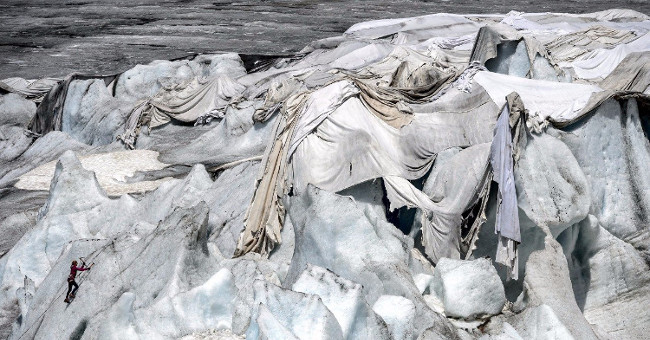
But now, under the harsh sun and global warming, the Rhone glacier is writhing in pain.
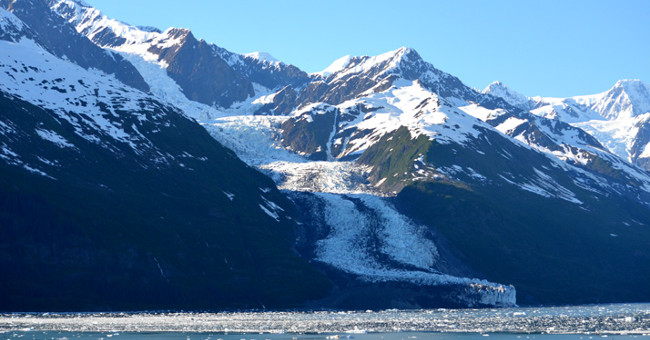
Smith Glacier - a large glacier located in the West South Pole, has been thinning 0.5 km of thickness in the past seven years, much faster than scientists have forecast.
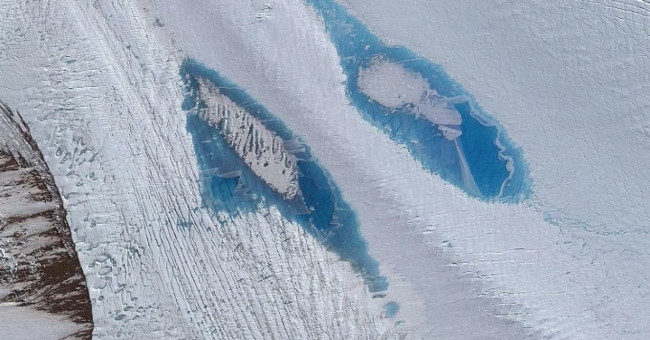
These blue streaks can have serious consequences for the Antarctic region in particular and the Earth in general.

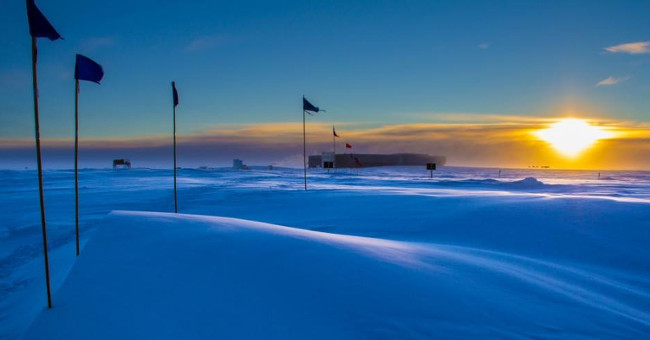
This is the first time Antarctica has recorded CO2 in the atmosphere, up to 400 parts per million (ppm), something that has never happened in the coldest continent in th…
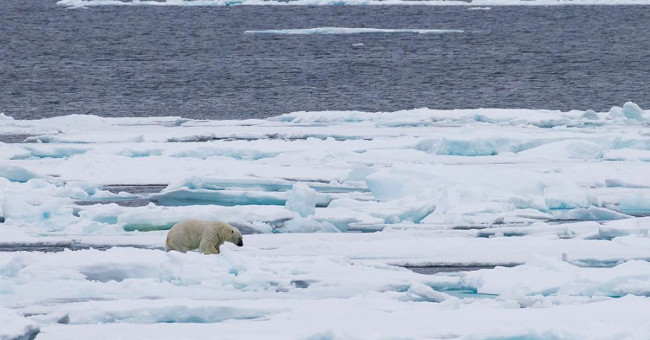
The icy seas of the Arctic are slowly turning into a normal ocean when the ice is melting.
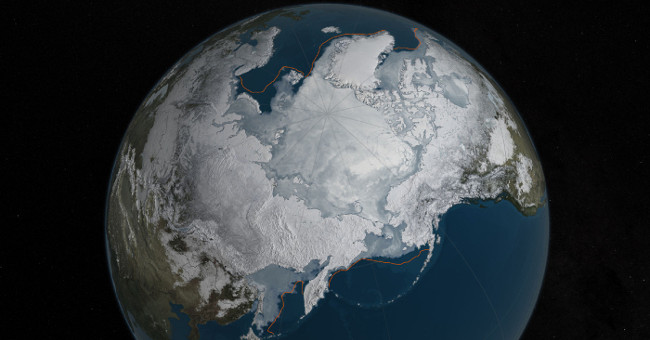
According to data recently released by scientists at the US National Snow and Ice Data Center (NSIDC) and NASA, the Arctic ice has reached a record low this winter.
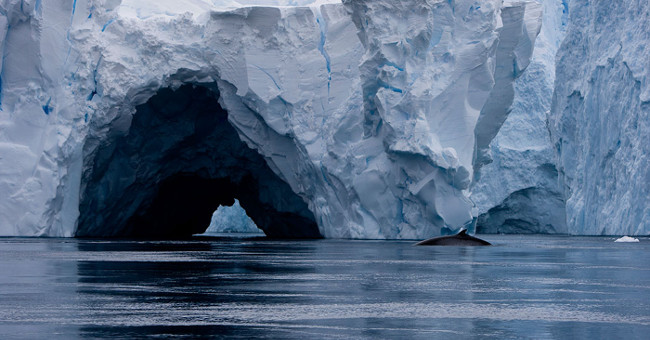
Scientists are closely monitoring the phenomenon of massive Antarctic ice sheets that are breaking and melting.
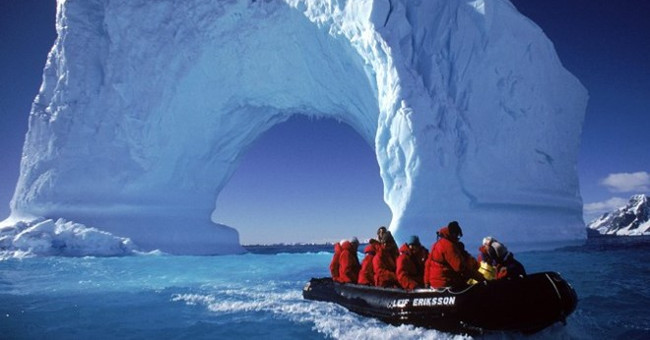
Reporters in Prague led a statement by Czech scientists saying they measured a record high temperature in Antarctica on March 23, 2015.
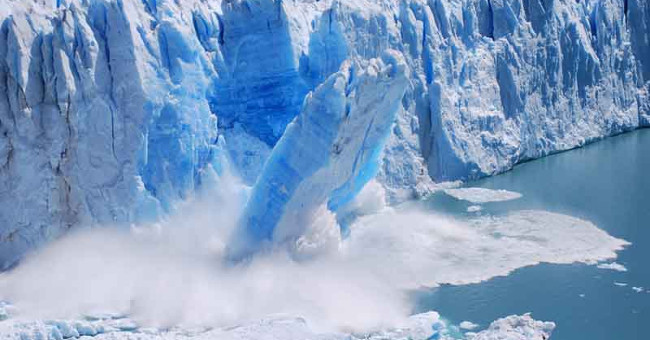
The ice melts due to global warming causing the Earth to rotate more slowly and become longer.
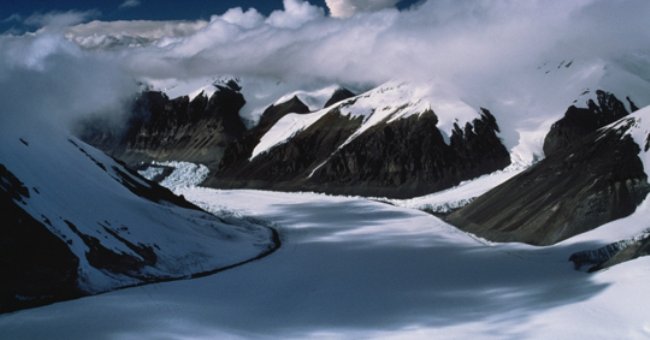
A series of glaciers on the Tibetan Plateau are melting and that situation could have a negative impact on Vietnam and many other Asian countries.

Rising temperatures, melting ice, rising sea levels in the near future are just a part of the greenhouse effect. It can bend rails, change the circadian rhythm
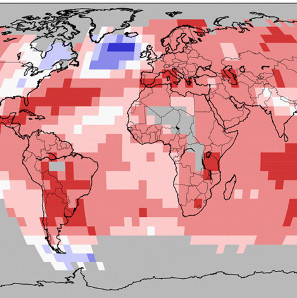
While temperatures in many parts of the world reached record highs in 2015, strangely, a region south of Greenland reached the lowest temperature. C
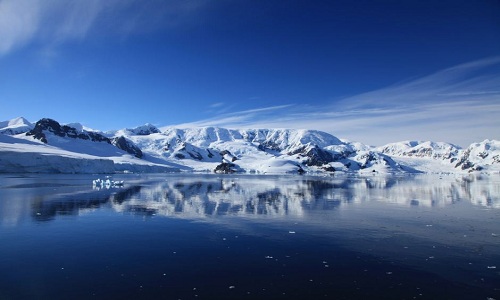
According to scientists from the US Aeronautics Agency (NASA), many cities may be engulfed by seawater in the next 100-200 years.